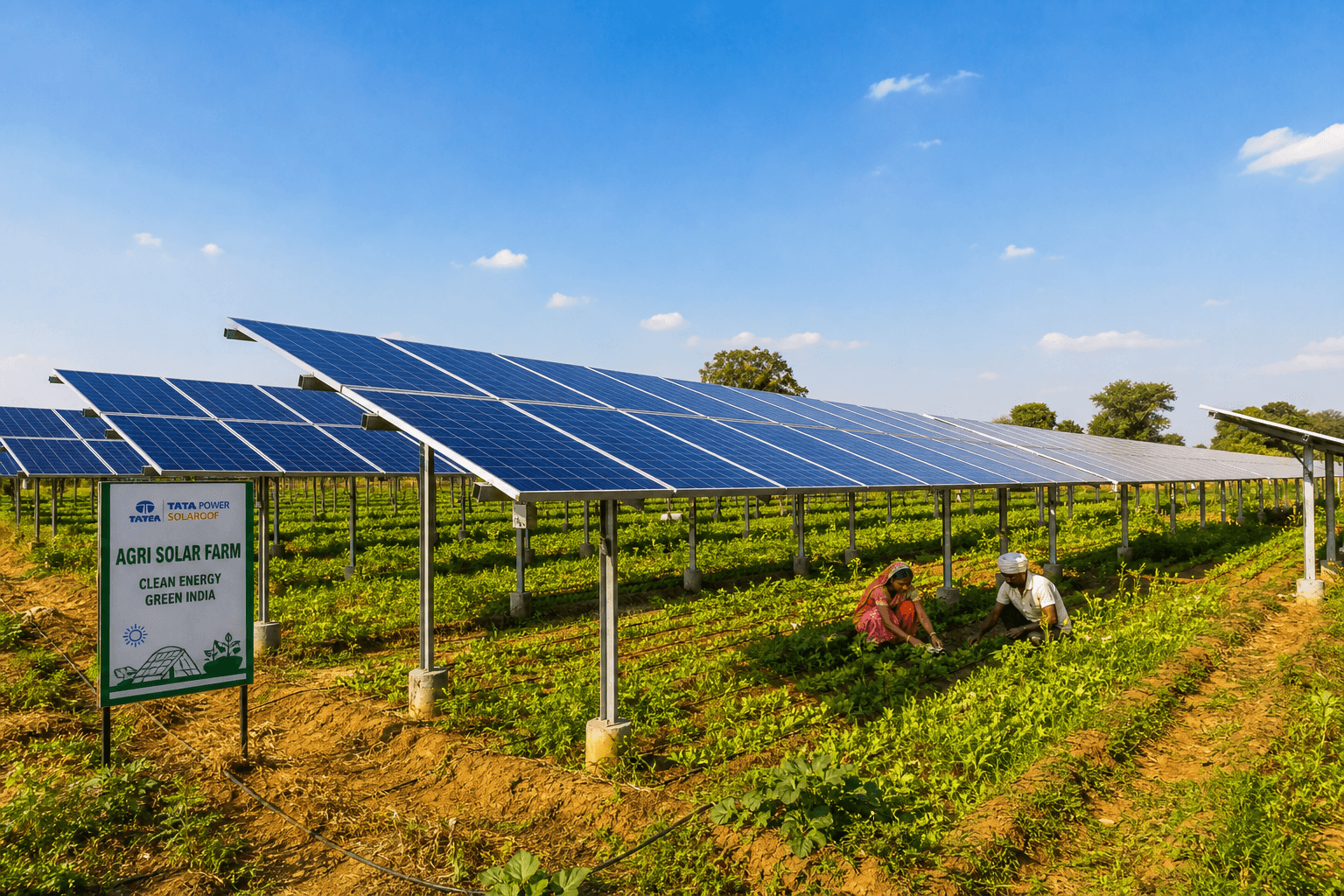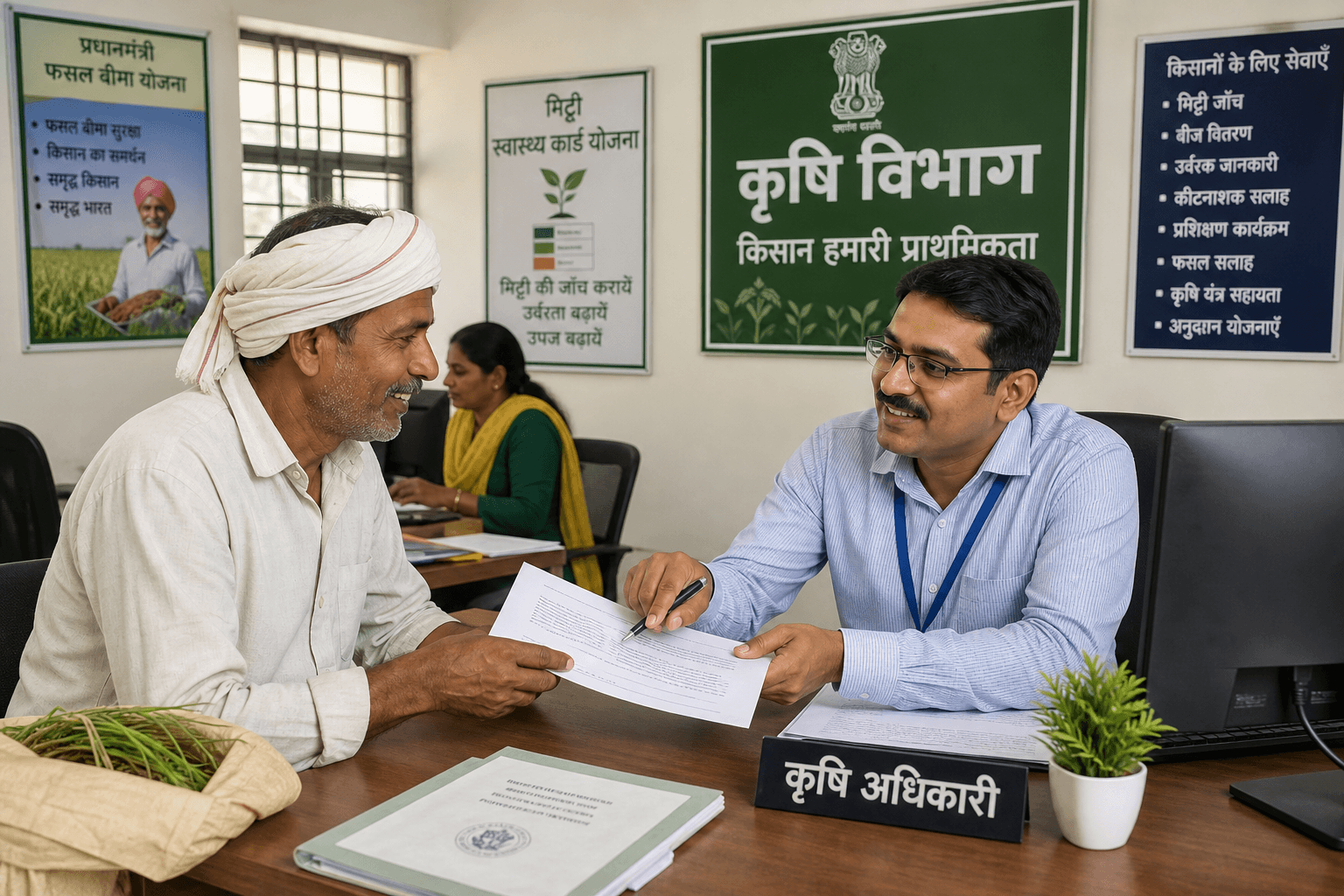
Rajasthan farmers lead India in PM-KUSUM pump adoption — high sun, large arid acreage, and RRECL (Rajasthan Renewable Energy Corporation Limited) as an active state nodal agency. If you want 60% subsidy on a solar pump in 2026, the path runs through RRECL’s online portal, empanelled vendors, and a document set every field officer checks: Aadhaar, land records, bank details, and bore/pump data.
This is a practical apply guide — not a guarantee of approval. Rules and portal URLs change; verify on official RRECL / Rajasthan energy department websites before you pay any vendor.
Cross-read PM-KUSUM solar farming guide and why solar pump savings fail so subsidy and bill drop both work.
Rajasthan reported 2,35,924+ PM-KUSUM beneficiaries in national progress data (late 2025) — second after Maharashtra. High volume means strict paperwork; incomplete Jamabandi is the top delay reason.
PM-KUSUM in Rajasthan — RRECL’s role
PM-KUSUM splits into:
| Component | Rajasthan use case |
|---|---|
| B | New standalone solar pump (up to 7.5 HP) — diesel replace, new irrigation |
| C | Solarise existing grid agricultural pump — surplus to DISCOM |
| A | 500 kW–2 MW plants — FPO / developer scale; different RRECL track |
RRECL handles:
- Online registration and application ID
- Vendor empanelment list and fixed price caps per HP
- Inspection before and after install
- Subsidy release to vendor or farmer per current procedure
National portal pmkusum.mnre.gov.in mirrors scheme rules; state portal execution is where Rajasthan farmers actually click Apply.
Subsidy math — what “60% off” means
Standard Component B structure (confirm active notification):
- 30% central government subsidy
- 30% state government subsidy
- ~10% farmer upfront share
- ~30% bank loan (farmer repays; interest varies by bank)
Example (illustrative only):
- 5 HP solar pump system quoted ₹3,50,000 empanelled
- 60% subsidy ≈ ₹2,10,000
- Farmer share ≈ ₹35,000 + loan on balance
HP, head, and module wattage change price. Never pay non-empanelled rate and expect full subsidy.
Documents checklist — Aadhaar, land records, and more
Prepare scanned PDFs before opening portal — mobile photos often rejected for blur.
Identity and farmer status
- Aadhaar card (linked mobile for OTP)
- Passport-size photo
- Bank passbook — farmer name, account number, IFSC
Land proof (critical in Rajasthan)
- Jamabandi / Khasra-Khatauni showing agricultural land
- Patta or ownership document matching applicant name (or legal heir papers)
- Land area sufficient for declared irrigation — officer may map GPS
Pump-specific
- Existing electricity connection number and sanctioned load — for Component C
- Bore depth, water source certificate or self-declaration per portal
- Previous pump HP and diesel use records if replacing diesel
Optional / category
- SC/ST certificate if state offers extra top-up
- FPO registration for group applications where enabled
Name mismatch between Aadhaar, bank, and Jamabandi is the #1 rejection reason. Align spellings at bank branch before upload.
Step-by-step: apply on Rajasthan state portal
Exact menu labels vary by portal upgrade — logical sequence:
Step 1: Register farmer profile
- Open RRECL PM-KUSUM / Rajasthan renewable energy farmer portal (search official
.gov.in/ RRECL domain — avoid clone sites) - Register with mobile + Aadhaar OTP
- Fill district, tehsil, village, land khasra numbers
Step 2: Choose component and HP
- Select Component B or C
- Pick HP from empanelled chart matching bore depth
- System shows subsidy amount and farmer share
Step 3: Select empanelled vendor
- Portal lists approved vendors by district
- Compare only empanelled quotes — same pump HP
- Vendor gets application link — do not pay cash outside portal workflow
Step 4: Pay farmer share and schedule install
- Pay 10% (or notified share) via portal payment gateway where integrated
- Vendor installs modules, pump, controller per MNRE specs
- Geo-tagged photos increasingly required nationally
Step 5: Inspection and commissioning
- RRECL or DISCOM inspector verifies serial numbers, array capacity, pump test run
- Commissioning certificate uploaded
- Subsidy released per timeline — delays if documents incomplete
Step 6: Train and maintain
- Ask vendor for user manual in Hindi
- Clean modules monthly in desert dust — Rajasthan-specific O&M
Component B vs C — Rajasthan farmer choice
Choose Component B if:
- You used diesel or rainfed — no grid pump meter
- You want simple standalone — no net metering paperwork
- Bore is new or separate from house connection
Choose Component C if:
- You already have DISCOM agricultural connection
- You want export payment for surplus solar units
- State targets grid pump solarisation in your feeder
Wrong component choice wastes months — portal may freeze application.
Why Rajasthan is “best” for solar pumps — and caveats
Strengths:
- Solar irradiance — more kWh per kW installed
- RRECL experience at scale
- Strong dealer network in Jodhpur, Jaipur, Bikaner, Sri Ganganagar belts
Caveats:
- Deep bore — need correct HP, not cheapest empanelled kit
- Sand and dust — module cleaning non-optional
- Night irrigation still on grid unless schedule shifts — see solar pump savings guide
Common rejection and delay reasons
- Jamabandi not updated or name mismatch
- Non-empanelled vendor — subsidy denied
- Undersized HP — failed pump test, recommission loop
- Duplicate application on same connection
- Incomplete bank details for subsidy transfer
Fix: RRECL district office grievance with application ID — keep screenshot of every upload.
After approval — link to wider farm plan
Solar pump saves ** irrigation energy**; it does not replace crop marketing or drip efficiency. Stack:
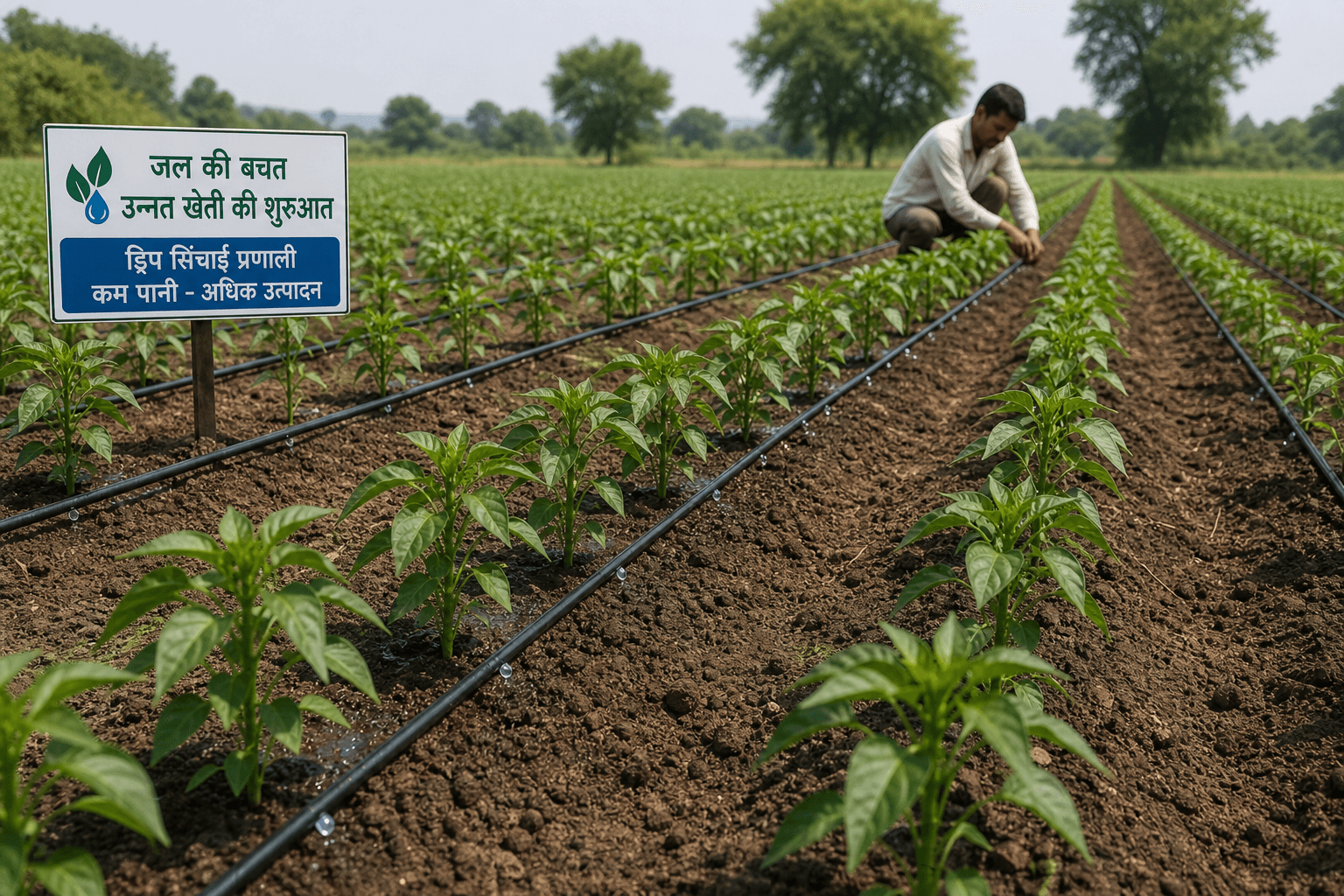
- PMKSY drip subsidy for water per acre
- Agrivoltaics if you have MW-scale land near substation
- Complete subsidy schemes list for NHM / horticulture
Save PDF of approved subsidy sanction before vendor starts — it is your proof if empanelled price disputes arise.
District-wise tips — Jodhpur, Jaipur, Sri Ganganagar, Bikaner
Rajasthan is large; groundwater depth changes subsidy outcome more than district name.
| Belt | Typical challenge | Application tip |
|---|---|---|
| Jodhpur / Barmer | Deep bore, sand | Higher HP from empanelled chart; mention static level honestly |
| Jaipur / Ajmer | Mixed shallow-deep | Get water table certificate if portal asks |
| Sri Ganganagar / Hanumangarh | Canal + tubewell mix | Clarify Component B vs C — many have grid pump already |
| Bikaner / Churu | Dust, long summer | Plan monthly module cleaning in DPR notes |
FPO / group applications where enabled can reduce per-farmer paperwork — ask RRECL district office if bulk inspection slot exists for your village panchayat.
Timeline expectations — realistic, not dealer promise
| Stage | Typical duration (indicative) |
|---|---|
| Portal registration + document upload | 1–3 days if scans ready |
| Vendor assignment + farmer share payment | 1–2 weeks |
| Physical installation | 3–10 days after material arrival |
| Inspection + commissioning | 1–4 weeks (seasonal rush longer) |
| Subsidy release to vendor | 2–8 weeks post-commissioning |
Dealer promise of "3 din mein pump" may mean install only — subsidy sanction and DISCOM meter change (Component C) take longer. Do not pay 100% cash chasing speed.
Bottom line
Rajasthan solar pump subsidy 2026 flows through RRECL + PM-KUSUM: correct component, empanelled vendor, and clean documents (Aadhaar, land records, bank). The state’s numbers are strong — your result depends on HP sizing and honest commissioning, not geography alone.
Apply on the official portal, pay only per sanction letter, and read pump meter units three months later to confirm savings.
Disclaimer: RRECL procedures, empanelled vendors, and subsidy percentages change. Verify on official Rajasthan renewable energy / RRECL websites and pmkusum.mnre.gov.in. Ask Kisan is not a government agency.
Last verified: June 2026.
Frequently asked questions
Which agency handles PM-KUSUM in Rajasthan?
Rajasthan Renewable Energy Corporation Limited (RRECL) is the state nodal agency for PM-KUSUM. Farmers apply through the RRECL / Rajasthan energy department online portal, select empanelled vendors, and complete inspection and commissioning for subsidy release.
What documents are needed for Rajasthan solar pump subsidy?
Typically: Aadhaar, land records (Jamabandi / Khasra), bank passbook, passport photo, active farmer status proof where required, existing electricity connection details for Component C, bore/well details, and caste certificate if claiming SC/ST benefits on state top-up — verify current list on RRECL portal.
How much subsidy on solar pump in Rajasthan 2026?
PM-KUSUM Component B generally offers up to 60% subsidy (30% central + 30% state), with about 10% farmer contribution and remainder as loan option. NE rules do not apply to Rajasthan. Exact HP-wise rates and empanelled prices publish on RRECL — confirm before payment.
Component B or Component C — which is better in Rajasthan?
Component B: new standalone solar pump up to 7.5 HP — good for diesel replacement or new bore without grid pump. Component C: solarises existing grid-connected agricultural pump with net-metering of surplus. Choose based on whether you have sanctioned grid pump connection and want export credit.
Why is Rajasthan a strong state for solar pumps?
Rajasthan ranks among top PM-KUSUM states by beneficiaries (over 2.35 lakh farmers cited nationally by late 2025), with high solar irradiance and active RRECL implementation. Success still depends on correct HP, empanelled vendor, and complete online application — not state alone.