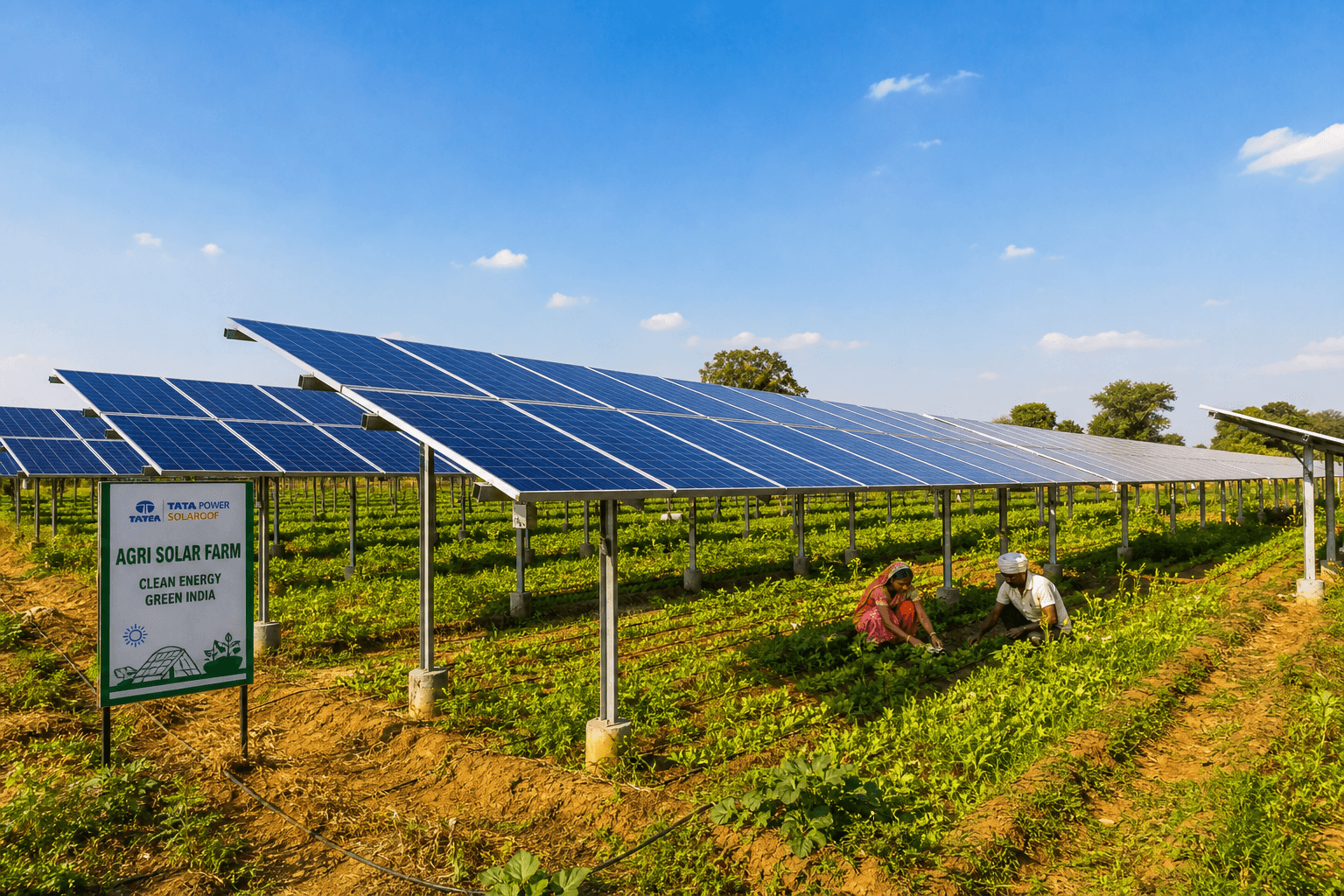
“Solar pump lagwa diya, bill waise ka waise.” We hear this every summer. The pump looks fine, subsidy came through, but DISCOM bill or diesel cost barely moved. Usually it is not fraud — it is four predictable mistakes: still using grid pump, wrong HP, night irrigation on meter, and multiple connections you forgot to add up.
This article explains each reason in plain language and gives a fix checklist for PM-KUSUM Component B (standalone) and Component C (grid-connected solarisation) farmers.
Read PM-KUSUM solar farming guide for subsidy math. Rajasthan farmers see Rajasthan solar pump subsidy 2026 for RRECL steps.
Subsidy success does not equal bill drop if grid pump hours stay unchanged. Savings = units moved from grid/diesel to solar. Measure that, not panel wattage alone.
Reason 1: Ab bhi grid pump chal raha hai
Many farms install solar pump beside old grid submersible or diesel set. Habit wins: operator starts grid pump for “full pressure” or “jaldi paani” while solar runs only half day.
Why bill stays high:
- Grid pump may be higher HP — does heavy lifting
- Solar pump used only for light irrigation
- Two pumps, one field — no discipline on which to start
Fix:
- Commit schedule: solar 9 AM–4 PM primary; grid only backup or emergency
- Where rules allow, disconnect or seal old agricultural pump after Component C solarisation — confirm with DISCOM
- Train family and hired labour — sticker on switchboard: “Pehle solar”
- Log hours for two weeks — honest audit beats guessing
Component C note: Grid-connected solarised pumps feed surplus to DISCOM; if you parallel-run a second unmetered pump, economics break. Follow nodal agency wiring diagram.
Reason 2: Galat HP — chhota solar, bada load
Dealers push in-stock HP. Farmer buys 3 HP solar for a bore that needed 5 HP grid for years.
Symptoms:
- Solar stops or trips on cloudy days → grid takes over
- Low discharge — irrigation takes longer → more grid night hours
- Dry spell — solar cannot lift water from deep static level
Sizing basics (verify on state chart):
| Factor | Effect |
|---|---|
| Bore depth / static level | More head → more HP |
| Pipe friction | Long horizontal run → higher HP |
| Daily water need | Acres × crop ET → flow rate |
| Sprinkler vs flood | Pressure requirement |
Fix:
- Before application, submit bore log, depth, and peak season water need to nodal agency
- If already installed undersized, check MPPT settings, array shading, and pipe leaks — sometimes fix is mechanical, not new pump
- Compare PM-KUSUM empanelled pump curves — not random Amazon listing
Wrong HP is the silent subsidy waste — 60% off a pump that cannot do the job still leaves you buying grid units.
Reason 3: Raat ko sinchai — grid meter par
Standalone solar pumps produce in sun hours. Most no battery kits do not pump at night. Farmers then irrigate 6 PM–6 AM on agricultural connection — bill looks unchanged because night load never moved to solar.
Pattern we see:
- Solar runs morning 3 hours — insufficient for full field
- Night 8 hours on grid for rest
- Farmer says “solar useless” — actually schedule mismatch
Fix:
- Shift block irrigation to 10 AM–3 PM where crop allows (many crops tolerate midday if soil moisture good)
- Split fields — solar block vs grid block by timing
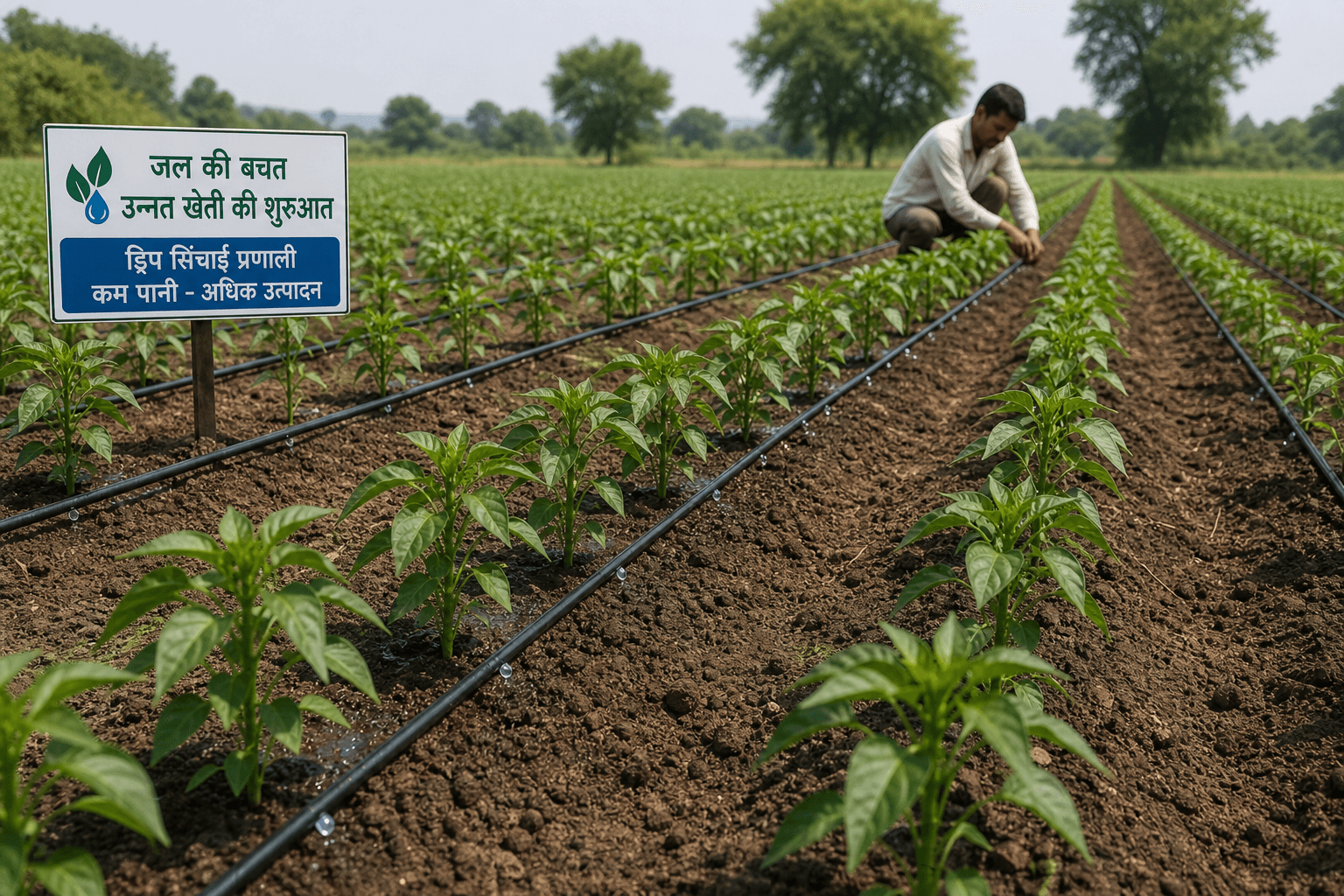
- Drip reduces total volume — pairs well with solar hours; see PMKSY drip subsidy
- Component C with export may credit daytime surplus — still, self-consumed solar units save most at retail agricultural tariff
Battery hybrid: Possible but costly and often outside standard PM-KUSUM subsidy kit. Model separately if night pumping is mandatory.
Reason 4: Multiple connections — bill kahan se aa raha hai?
Farm households often have:
- Agricultural pump meter (flat or low tariff)
- Domestic meter for house, fridge, TV
- Commercial connection for cold store or atta chakki
- Unauthorized extension from neighbour line
Solar pump subsidy applies to one registered pump connection. Bill “waise ka waise” may be domestic meter rising in summer AC season while pump meter actually fell.
Fix:
- Download disaggregated bills — pump vs home
- Compare same month last year pump meter units only
- Check Component C net meter — are you exporting but consuming more elsewhere?
- Seal duplicate illegal agricultural connections — DISCOM audits happen
Rajasthan and other states show separate line items on online portals — learn your consumer ID for pump, not just house.
Subsidy mil gayi — savings tab bhi kaise check karein?
Simple audit (8 weeks):
| Week | Solar pump hours | Grid/diesel hours | Acres irrigated |
|---|---|---|---|
| 1–2 | Log daily | Log daily | Note |
| 3–4 | Change schedule | Reduce target | Same crop |
Target: 60–80% of irrigation energy from solar in peak season for standalone B — exact ratio depends on crop and weather.
Financial check:
- Diesel litres saved × price if replaced diesel
- Grid kWh drop on pump meter × tariff
- Minus loan EMI if 30% financed under PM-KUSUM
Payback under 2–3 years is cited in MNRE examples for diesel replacement — not if grid pump still runs daily.
State portal and vendor accountability
Apply only through state nodal agency empanelled vendors — RRECL (Rajasthan), UPNEDA, GEDA, etc. Demand:
- Commissioning report with array capacity and pump serial
- Training on dry run protection and seasonal tilt if tracking
- Warranty card registered on portal
If vendor promised “bill zero” without seeing your bore depth, file complaint on PM-KUSUM grievance channel with documents.
Pair solar pump with drip to cut total water and stretch solar hours across more acres — same sun, more economic output per kilowatt.
DISCOM and nodal agency — who to call when savings fail
If commissioning certificate is on portal but pump meter units unchanged after one full irrigation season:
- RRECL / state nodal grievance with application ID and vendor name
- DISCOM agriculture helpline — ask for pump consumer number consumption trend (many states show 12-month graph online)
- Vendor service visit — check dry-run sensor, controller fault log, array soiling (desert farms lose 15–25% from dust if never cleaned)
Document every call in a notebook or phone notes. Government portals respond faster when application ID + Aadhaar last four + district are ready.
Component C farmers: confirm whether net meter shows export during sun hours. If export is zero and import unchanged, wiring may still be grid-only — inspection repeat is your right after empanelled install.
Diesel-to-solar switch — separate savings track
Farmers who replaced diesel often compare wrong baseline. Track litres per week before vs after solar, not only DISCOM bill.
| Before solar | After solar (target) |
|---|---|
| Diesel ₹8,000/month peak | Diesel ₹1,000 emergency only |
| 120 hours grid pump | 80 hours solar, 40 grid max |
If diesel bill zero but grid same, you succeeded on diesel — now fix grid schedule using sections above.
Bottom line
Solar pump savings nahi aa rahi usually because energy source did not change — grid, diesel, or night meter still does the work. Fix HP sizing, stop parallel grid abuse, move irrigation to sun hours, and read the correct bill.
Measure pump meter units, not feelings. Then subsidy and savings align.
Disclaimer: PM-KUSUM subsidy rates and empanelled vendors change by state. Verify on pmkusum.mnre.gov.in and your state nodal agency. Ask Kisan is not a government agency.
Last verified: June 2026.
Frequently asked questions
Why is my electricity bill still high after solar pump installation?
Common causes: you still run the old grid pump for heavy hours, the solar pump HP is undersized so grid carries peak load, you irrigate at night on the agricultural meter, or a separate domestic/commercial connection bills separately. Audit pump hours on solar vs grid for two weeks.
What HP solar pump do I need?
Match bore depth, static water level, discharge pipe length, and daily water volume — not dealer stock. A 3 HP solar pump on a 200-foot bore may fail while a 5 HP grid pump still runs daily. State PM-KUSUM portals often publish HP–head charts — verify before subsidy application.
Does PM-KUSUM Component B stop my grid connection?
Component B is standalone solar pump — grid connection may remain for house or other loads. Component C solarises existing grid-connected pumps with export rules. If both pumps operate without planning, bills may barely fall. Discuss meter separation with your DISCOM and nodal agency.
Can I use solar pump at night?
Standard standalone solar pumps run in sunlight unless you add battery storage (uncommon under basic subsidy kits). Night irrigation on grid is normal — but then savings depend on how many day hours shifted to solar. Track units: solar daytime vs grid night.
How much subsidy is on solar pumps in 2026?
PM-KUSUM Component B typically offers up to 60% subsidy (30% central + 30% state), with farmer share around 10% and balance loan. NE/hilly areas may get 50% central share. Exact rates and empanelled vendors are on state portals — e.g. RRECL in Rajasthan.