Hydroponics sells the dream of clean greens without soil — and the spreadsheets can look as green as the lettuce if you use realistic costs. In India, commercial hydroponics sits at the premium end of modern farming: higher capex than a naturally ventilated polyhouse, faster crop cycles, and no dedicated central subsidy for the nutrient film itself. What you do have is the same NHB protected cultivation path many polyhouse farmers use for the greenhouse shell, plus brutal discipline on power, pathology, and buyers.
This guide covers setup cost, income ranges, ROI, and how to fund the structure without losing subsidy — using only figures from our 2026 research compendium. Vendor brochures often inflate revenue; we flag upper bounds honestly.
Hydroponics vs polyhouse — know the difference
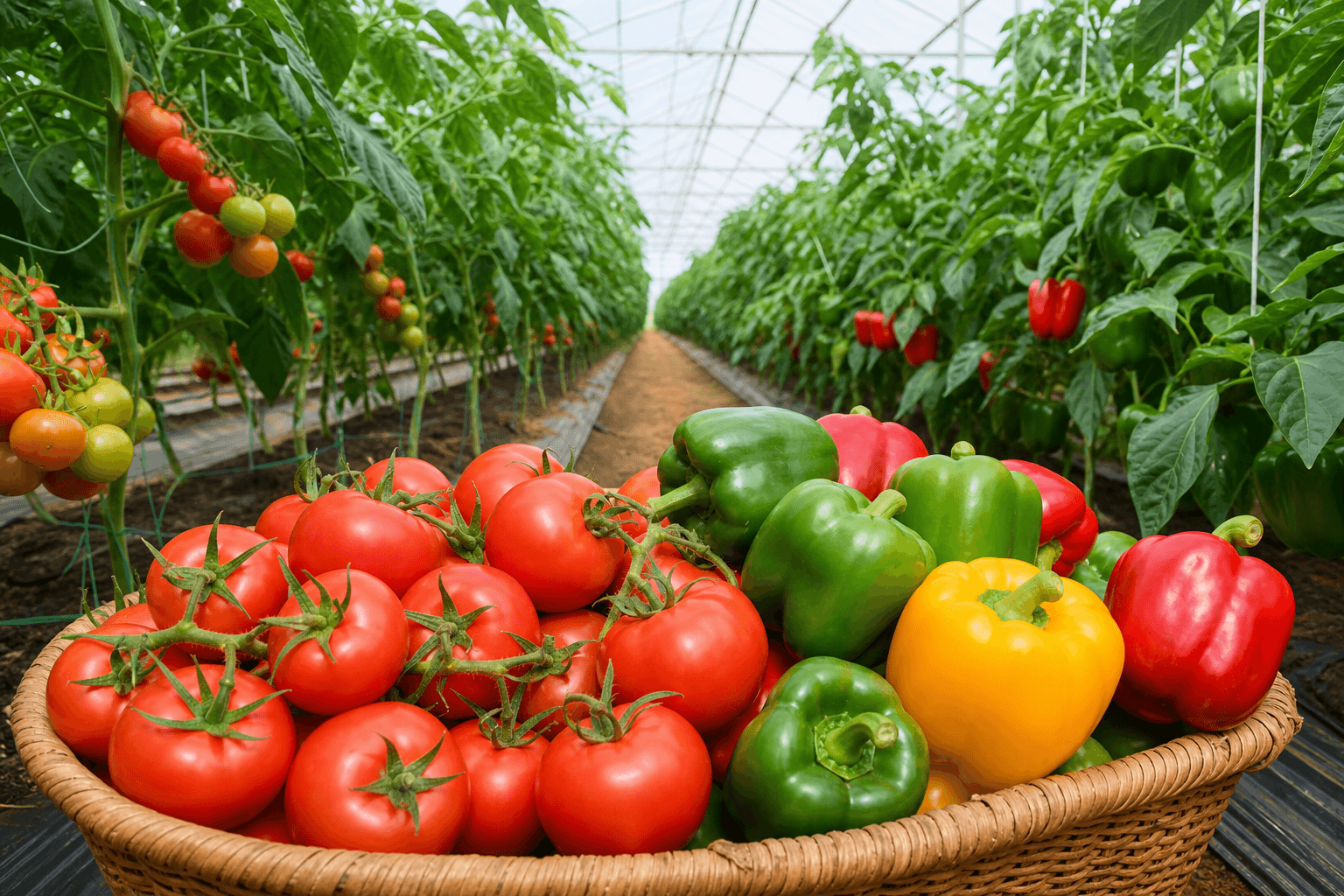
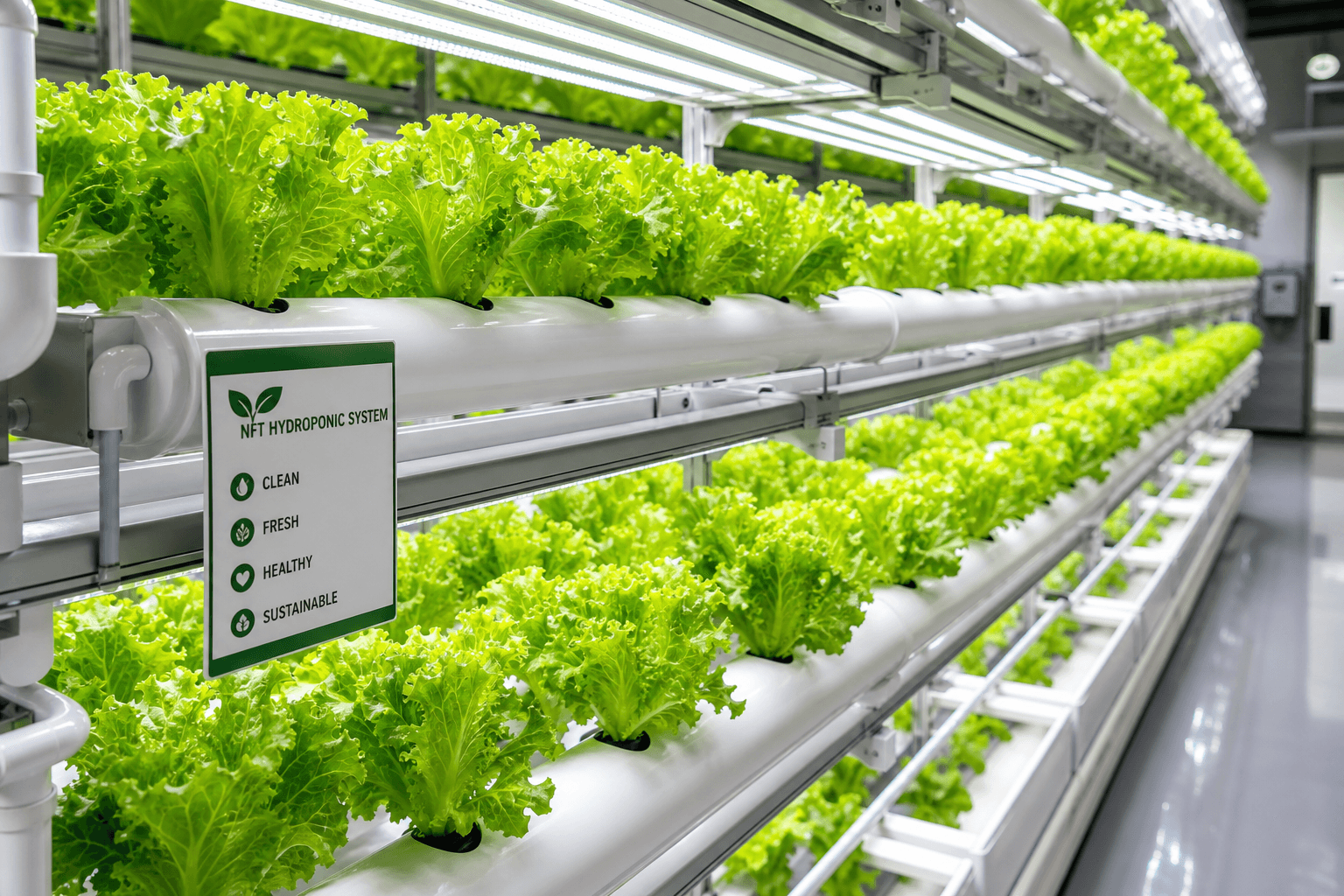
A polyhouse is primarily a climate shell; soil or media beds inside are common. Hydroponics is a soilless production system (NFT, DWC, cocopeat slabs, vertical towers) where roots meet nutrient solution directly.
| Factor | Polyhouse (NVPH) | Hydroponics (commercial) |
|---|---|---|
| Typical 1-acre capex | ₹25–40 lakh before subsidy | ₹70 lakh–₹1.5 crore |
| Subsidy route | NHM/MIDH/NHB 50% on norms | No dedicated scheme — shell via NHB |
| Water use | Lower than open field with drip | ~90% less than soil (cited) |
| Best crops | Capsicum, cucumber, floriculture | Lettuce, basil, cherry tomato, bell pepper |
Many successful units are hydroponics inside a subsidised greenhouse — capital stack matters. Read polyhouse farming profit, cost & subsidy for shell economics and polyhouse subsidy guide 2026 for apply-before-build.
If you claim NHB subsidy on the greenhouse, you must apply with bank term-loan sanction before construction — optional Letter of Comfort and app self-inspection (2023 reform) or legacy IPA/JIT paths. Building first forfeits subsidy, same as polyhouse.
Setup cost breakdown
Commercial 1-acre scale
Budget ₹70 lakh to ₹1.5 crore for a full commercial acre including greenhouse, NFT/DWC lines, fertigation, environmental controls, packing, and working capital. Exact split depends on import vs domestic equipment and automation.
Smaller entry kits
- Basic NFT/DWC kits: about ₹5–10 lakh
- Advanced commercial systems alone: can exceed ₹50 lakh before civil and polyhouse
Compare to a starter polyhouse at 1,000 sqm: ₹7–10 lakh before subsidy, ₹3.5–5 lakh after — hydroponics is not the cheapest first step for a marginal farmer unless you already have a buyer.
Greenhouse shell (subsidy-eligible portion)
Fan-and-pad hi-tech greenhouse norms run ₹1,400–1,650 per sqm on paper; NVPH ₹844–1,060 per sqm by slab. Market bills exceed norms — effective aid often 35–40% of real spend despite 50% headline. NHB commercial route: flat 50%, back-ended, credit-linked, ceiling about ₹56 lakh (up to about ₹1 crore by structure/location), minimum 4,000 sqm general / 1,000 sqm NE-hilly.
Stack Agriculture Infrastructure Fund where eligible: 3% interest subvention on loans up to ₹2 crore for 7 years, CGTMSE guarantee, 10% promoter margin — agriinfra.dac.gov.in.
Income, gross revenue, and ROI
Research-cited upper-bound commercial scenarios (not promises):
| Metric | Cited range |
|---|---|
| Gross revenue (1 acre, high-value crops) | Up to ₹2–3 crore per year |
| ROI | 20–30% per year |
| Break-even | 3–4 years |
Crops named in successful commercial mixes:
- Lettuce
- Basil
- Cherry tomato
- Bell pepper
Lettuce yield example: about 300–400 tonnes per year per acre hydroponically vs 9–10 tonnes in soil — the productivity gap drives economics if retail price holds.
Operating realities
- Power for pumps, cooling, and lighting (in vertical/indoor setups) can dominate opex — vertical farming literature cites energy up to 40% of expenses.
- Pathogen control — one Pythium event can wipe a batch; hygiene is non-negotiable.
- Buyer contracts — hotels, modern retail, and D2C subscription; mandi alone rarely pays hydroponics capex back.
Present ₹2–3 crore gross as a vendor-optimistic ceiling in your DPR; bankers want DSCR ≥ 1.5 and conservative price stress.
Crop economics in brief
Lettuce
Fast cycle, high tonnes per acre (300–400 t/year cited). Needs consistent chilled logistics for quality. Competition from other hydroponic startups in metros squeezes margin — differentiate on variety or contract.
Basil and herbs
Premium per kg, smaller volumes. Good for partial acre or vertical racks. Export and pharma channels need traceability.
Cherry tomato & bell pepper
Overlap with protected cultivation economics — cherry tomato tolerates some salinity better than capsicum in polyhouse literature. Bell pepper hydroponic systems mirror high-input horticulture; skilled agronomy required.
Link: best high-profit polyhouse crops for soil/media protected benchmarks (₹18.14 lakh capsicum, ₹16.76 lakh cucumber net per acre in NVPH data).
Subsidy and funding path (no free lunch for NFT)
- No dedicated hydroponics subsidy — plan equipment as promoter equity or bank loan.
- NHB/NHM greenhouse — 50% on approved cost norms; apply before build.
- NABARD — refinances banks; does not pay farmers directly. Crop loans up to ₹3 lakh at 7% (effective 4% on prompt repayment).
- PMKSY drip inside greenhouse — 55% / 45% central tiers plus state top-ups.
- State portals — verify top-ups on official .gov.in sites; do not trust forwarded PDFs.
Documents mirror polyhouse: Aadhaar, PAN, land records or registered lease 10–15+ years, soil/water tests, vendor GST quotations, bank sanction, geo-tagged photos, bankable DPR with crop-wise price projections.
Technical viability checklist (DPR items)
Bankable DPRs for protected + hydroponic projects typically include:
- Water EC and treatment (RO if needed for sensitive crops)
- UV-stabilised polyfilm of approved micron, B-Class GI structure
- Fertigation design with EC/pH monitoring
- Crop plan with week-wise harvest and price assumptions
- Employment and market linkage sections
- Financial ratios: DSCR ≥ 1.5, IRR, break-even, moratorium alignment with NHB back-ended release
Joint Inspection Team (or app-based self-inspection where implemented) matches built structure to approved DPR — changing from lettuce to pepper without approval risks subsidy cancellation.
Hydroponics vs vertical farming
Vertical farming in India is cited at ₹8 lakh to >₹1 crore depending on scale; NIAPER-cited ₹50 lakh–₹1 crore per acre plus ₹5–10 lakh per acre per year operating cost. Market growth ~18–21% CAGR; payback claims 18–30 months in some state stacks — verify locally.
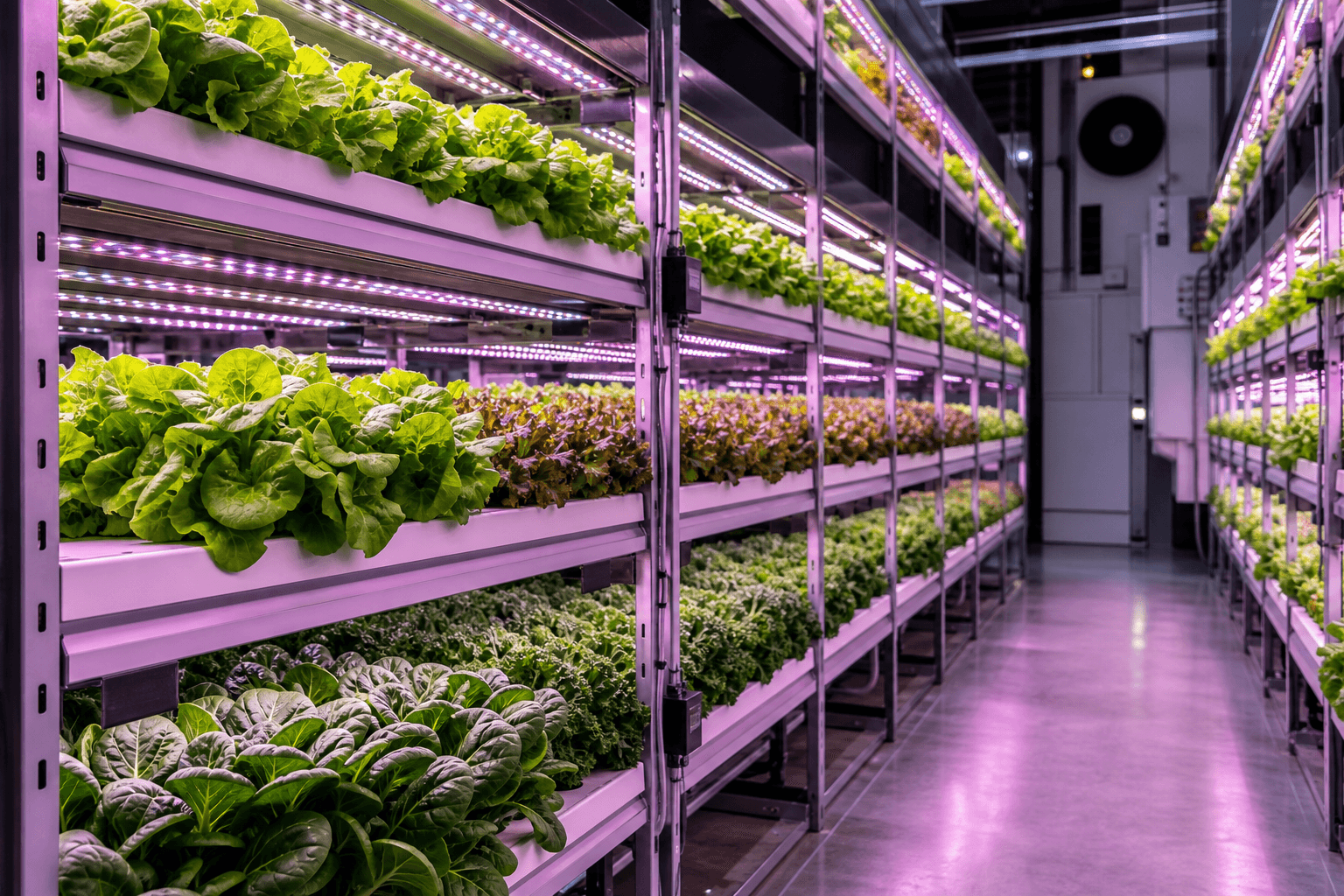
Vertical suits leafy greens, microgreens, herbs, strawberries in urban freight zones. Hydroponics at ground level in a polyhouse suits peri-urban acres with lower building cost. See our vertical farming article when published for side-by-side tables.
Water, input, and sustainability story
Hydroponics’ ~90% water saving vs soil and 30–50% faster growth are strong ESG and drought narratives — useful for export buyers and CSR contracts. Pair with PMKSY-subsidised drip where the same land has open-field blocks.
Common mistakes
- Building greenhouse before LoI/LoC — loses 35–40%+ effective capital aid.
- Believing ₹2–3 crore revenue without signed offtake.
- Underestimating power — especially if copying vertical farm LED models.
- No food-safety or traceability — modern retail rejects informal packs.
- Growing low-value crops in crore-rupee systems — same mistake as polyhouse spinach-only plans.
Who should start hydroponics in 2026?
Ideal promoter profile:
- Confirmed B2B buyer (retail chain, cloud kitchen, export packer)
- Technical manager or trained agronomist on payroll
- Capital beyond subsidy (15–20% extra cash for norm gap)
- Willingness to run daily EC/pH and scouting
Small farmers often stage: shade net or 1,000 sqm polyhouse + drip (PMKSY) → prove sales → reinvest in NFT lines.
Solar and future energy cost
If electricity cost rises, on-farm PM-KUSUM pump or future agrivoltaics shade structures may offset opex — see PM-KUSUM solar farming guide. No substitute for buyer discipline.
Bottom line
Hydroponics in India is a high-capex, high-skill, high-buyer play: ₹70 lakh–₹1.5 crore per commercial acre, up to ₹2–3 crore/year gross in optimistic models, 20–30% ROI and 3–4 year break-even in cited ranges. Fund the shell through NHB protected cultivation with apply-before-build discipline; fund NFT lines through equity and bank debt. For comparable crop profits in classic polyhouse, read polyhouse best crops and polyhouse subsidy guide.
Income upper bounds are industry-cited, not government guarantees. Last updated May 2026. Verify norms on nhb.gov.in.
Frequently asked questions
How much does a 1-acre hydroponics farm cost in India?
A 1-acre commercial hydroponics setup is often quoted at ₹70 lakh to ₹1.5 crore. Basic NFT/DWC kits for smaller scales may run ₹5–10 lakh; advanced commercial systems can exceed ₹50 lakh before greenhouse and civil works.
What income can hydroponics generate per year?
High-value crops (lettuce, basil, cherry tomato, bell pepper) are cited in industry research at up to ₹2–3 crore per year gross revenue on a 1-acre commercial operation, with ROI around 20–30% per year and break-even in 3–4 years. Treat upper figures as vendor-optimistic scenarios, not guarantees.
Is there a dedicated hydroponics subsidy in India?
There is no standalone hydroponics subsidy. Farmers typically route the greenhouse shell through NHB/MIDH protected cultivation (up to 50% on cost norms, credit-linked, ceiling around ₹56 lakh per beneficiary in cited NHB rules) — apply before construction with bank sanction and LoI/LoC as required.
How much water does hydroponics save?
Cited advantages include about 90% less water than soil farming and 30–50% faster growth for many leafy crops. Lettuce on 1 acre can yield about 300–400 tonnes per year hydroponically versus about 9–10 tonnes in soil.