Choosing the right crop inside your polyhouse matters more than choosing the prettiest polyfilm colour. A ₹30 lakh structure growing ₹15/kg bulk greens behaves like an expensive open field. The same structure growing coloured capsicum, seedless cucumber, or contract floriculture behaves like a horticulture factory. This guide compares the best high-profit crops for protected cultivation in 2026 — with yields, price bands, and net returns drawn only from documented research figures. Always confirm local mandi and export rates before you plant; prices swing by month and district.
How to read “profit per acre” numbers
Net return figures below come from Agrifirst NVPH project data and scheme-linked horticulture literature in our research compendium. They assume:
- A roughly 4,000 sqm (~1 acre) naturally ventilated polyhouse or equivalent protected area
- Certified planting material and fertigation
- Working marketing — not distress sale at harvest peak
They are not guarantees. Your district, variety, and buyer contract can move results up or down. Use them for crop ranking, not for bank promises without a bankable DPR.
For setup cost, subsidy, and the apply-before-build rule, see polyhouse farming profit, cost & subsidy 2026. For LoI/LoC and effective 35–40% subsidy math, see polyhouse subsidy guide 2026.
1. Coloured capsicum — best balance for many first-timers
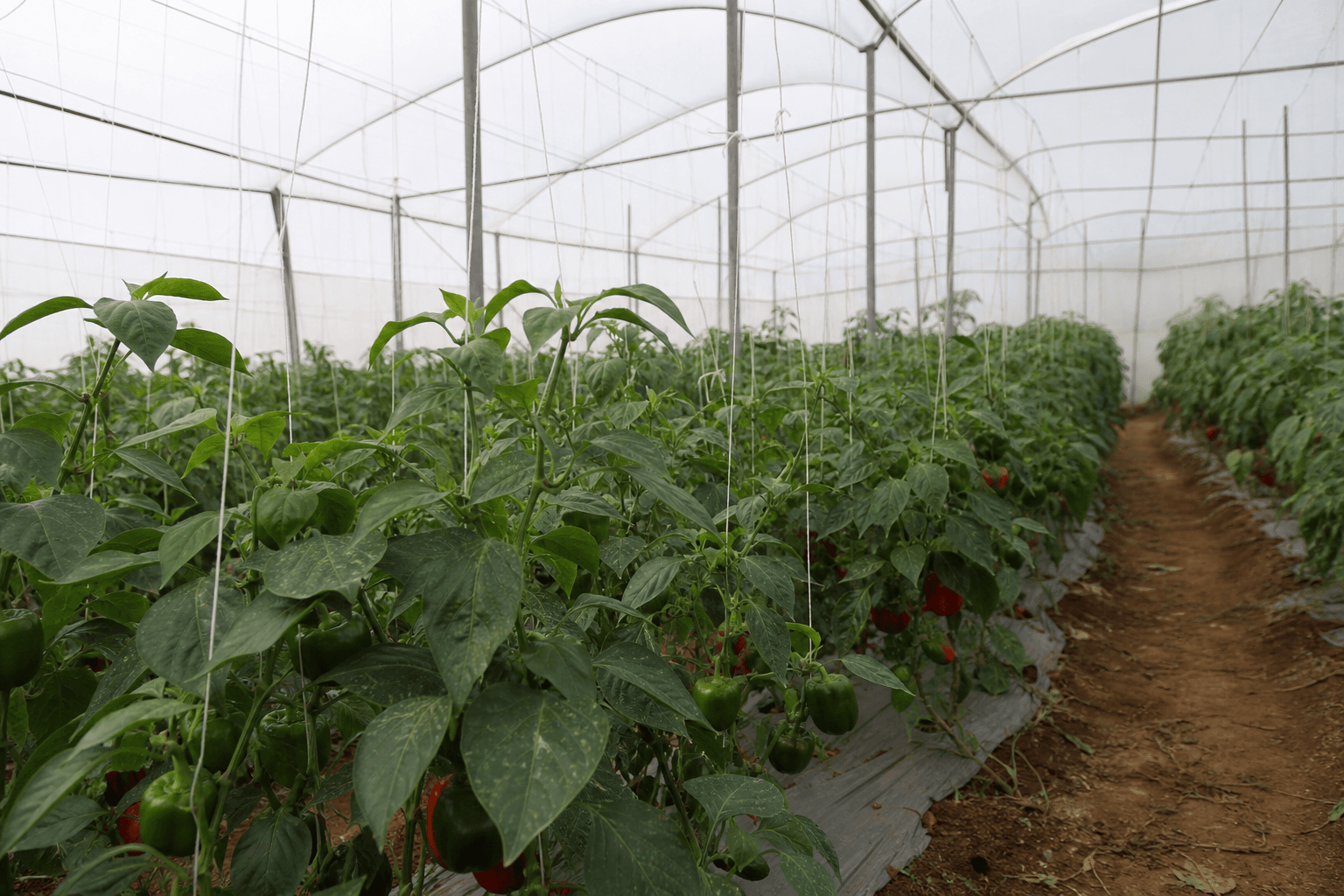
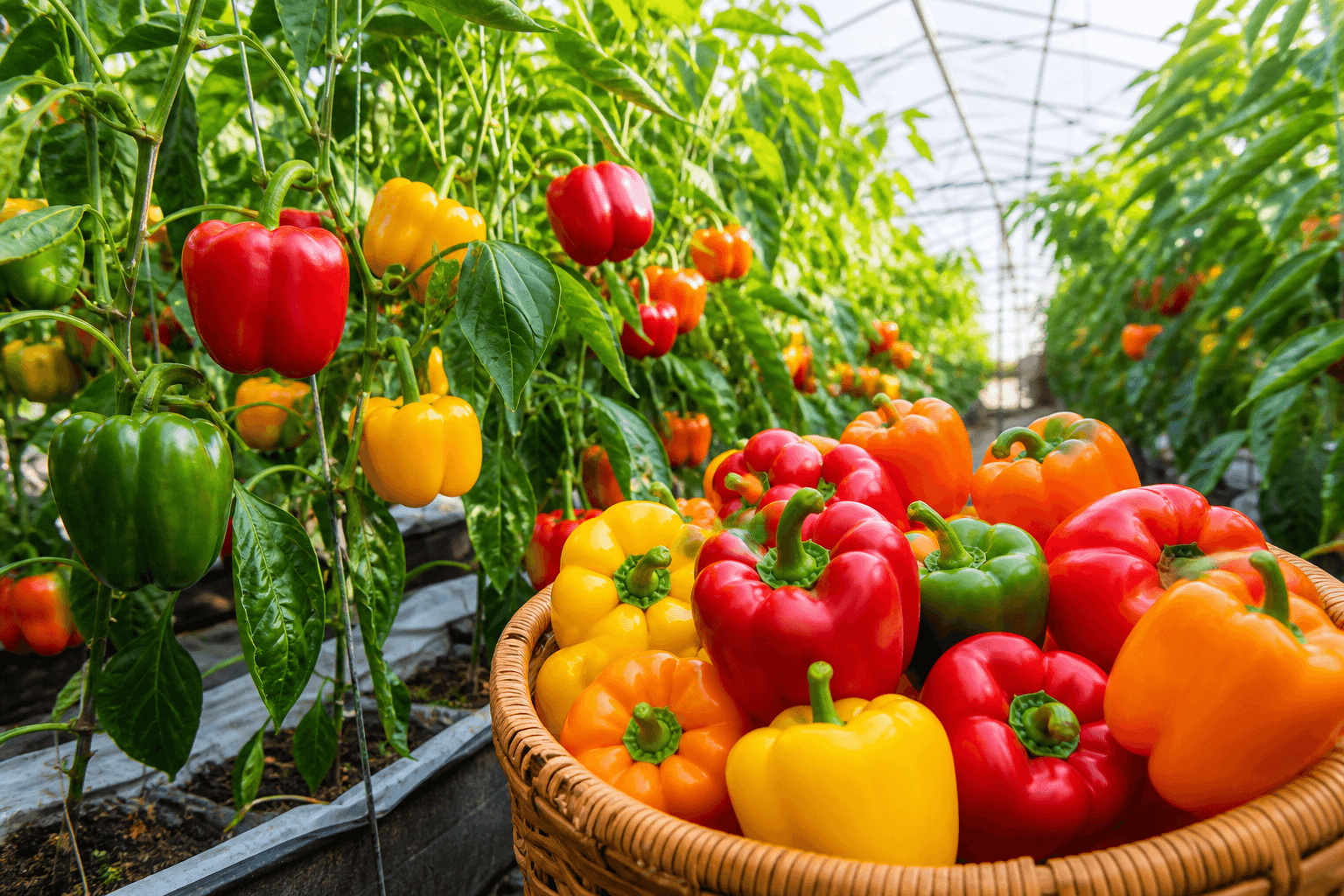
Why farmers pick it: Strong domestic retail and hotel demand, colour premiums, and well-documented protected-cultivation protocols.
| Metric | Typical range |
|---|---|
| Yield | 32–50 tonnes per acre |
| Price | ₹75–150 per kg (highest Oct–Dec when supply is tight) |
| Net return | ~₹18.14 lakh per acre per annum (Agrifirst NVPH data) |
Management notes: Capsicum is sensitive to heat and water quality. High EC water may need RO treatment before planting — a common hidden cost. Book tissue-culture or pro-tray seedlings 3–4 months ahead; do not rely on uncertified roadside nursery stock.
Risk level: Moderate. Lower than Dutch rose for market risk, higher than cucumber for initial crop skill.
Best for: Entrepreneurs who can supervise scouting, grading, and tie-ups with mandi or packhouses.
2. Seedless (parthenocarpic) cucumber — fastest cash flow
Why farmers pick it: Early harvest and repeat cycles stabilise monthly income.
| Metric | Typical range |
|---|---|
| Harvest start | ~35 days |
| Cycles | 2–3 per year |
| Net return | ~₹16.76 lakh per acre (project data) |
Cucumber is often the best choice when you need quick cash flow to service a polyhouse loan while learning protected cultivation. Pair with drip and fertigation subsidised under PMKSY where eligible (55% central support for small/marginal farmers, 45% for others — verify on your state portal).
Risk level: Moderate; pest and powdery mildew management matter in humid polyhouses.
3. Dutch rose — highest floriculture revenue, highest demand on market
| Metric | Typical range |
|---|---|
| Net return | ₹12–18 lakh per acre |
| Productive life | 5–6 years |
Roses reward growers with guaranteed market linkage — exporter, florist chain, or auction. Without a buyer, cold-chain roses become compost. Running costs and climate control (often fan-and-pad greenhouse at ₹35–50 lakh per acre before subsidy) sit at the top of the protected-cultivation stack.
Risk level: High cost, high skill, high market dependency.
4. Gerbera and floriculture — stable margins
| Crop | Net return | Productive life |
|---|---|---|
| Gerbera & floriculture (general) | ₹10–15 lakh per acre stable margin | Gerbera 2–3 years productive |
Gerbera suits polyhouses with good light and disease control. Like roses, floriculture needs planned offtake — weddings, retail bouquets, or export packers.
5. Cherry tomato and strawberry — short-season premiums
Both are short-season, high-value options:
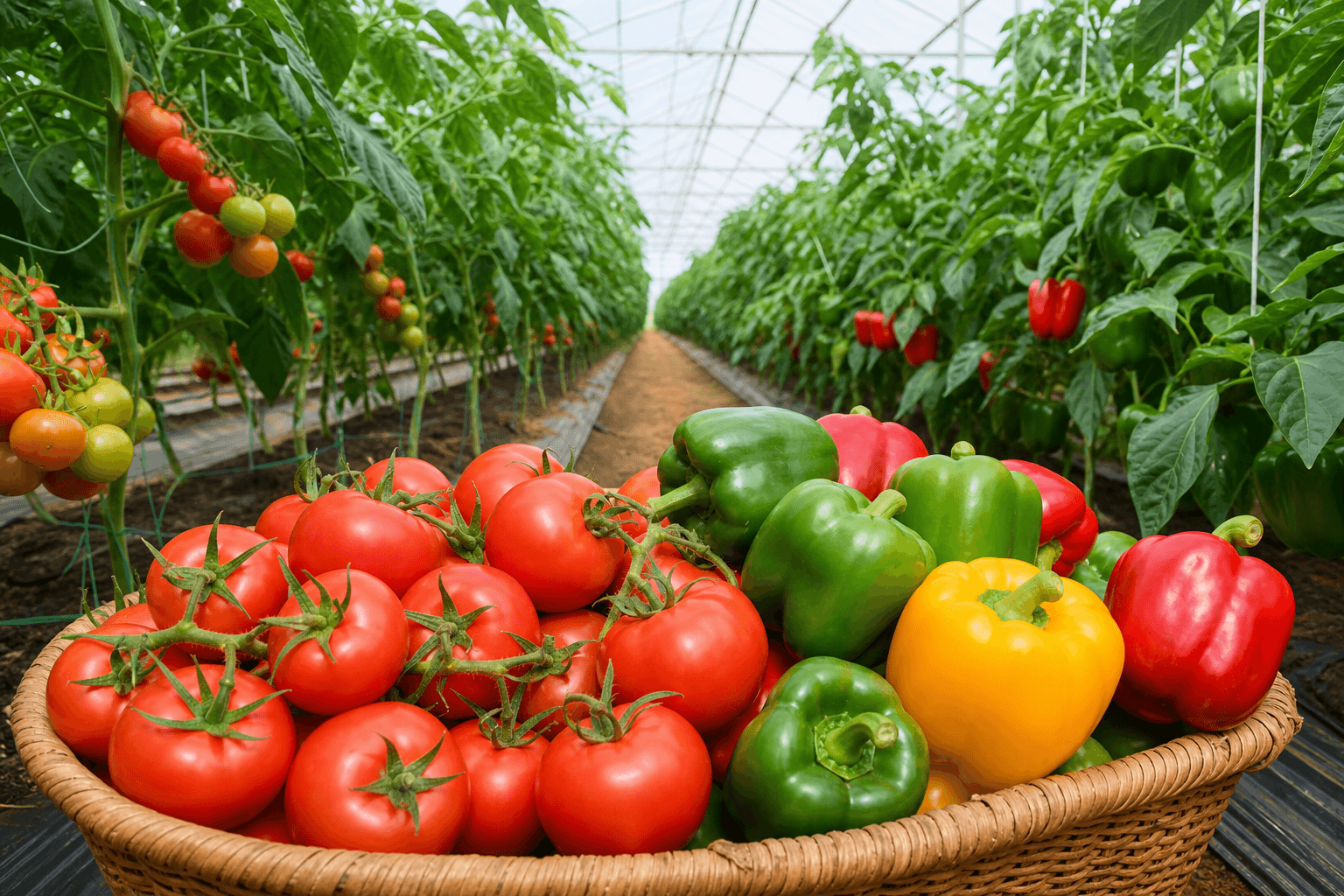
- Cherry tomato — more salt-tolerant than capsicum in some water profiles; useful where EC limits bell pepper.
- Strawberry — premium retail and agritourism potential; cold-chain and variety choice drive success.
Exact per-acre net varies widely by state and channel; if a figure is not on your state horticulture portal, treat revenue as verify on official portal and build conservative scenarios in your DPR.
Crops and structures to avoid (or deprioritise)
Low-value sole crops
Spinach, okra, or generic leafy greens alone inside a full polyhouse costing ₹25–40 lakh per acre (before subsidy) rarely cover depreciation. Use shade net (cost norm ₹710 per sqm, 50% subsidy general, up to 80% for small/marginal/SC/ST in some states like MP) for nursery and leafy production in hot humid zones instead.
Wrong structure for the crop
- NVPH: capsicum, cucumber, many vegetables.
- Hi-tech greenhouse (₹1,400–1,650/sqm norms): roses, gerbera, summer production.
- Shade net: nurseries, leafy greens, hardening seedlings.
Seasonal pricing strategy
Coloured capsicum prices peak October–December when open-field supply thins. Plan transplant dates backward from your target price window. Cucumber cycles let you smooth income across months rather than betting one mandi day.
Planting material and training
Two rules repeat across every high-profit crop:
- Certified seedlings booked months ahead.
- Short training (₹5,000–10,000) from KVK or state horticulture — pays back in avoided pest and nutrient mistakes.
Skipping either shows up in subsidy rejections and yield crashes, not just lower profit.
Subsidy reminder before you commit to a crop
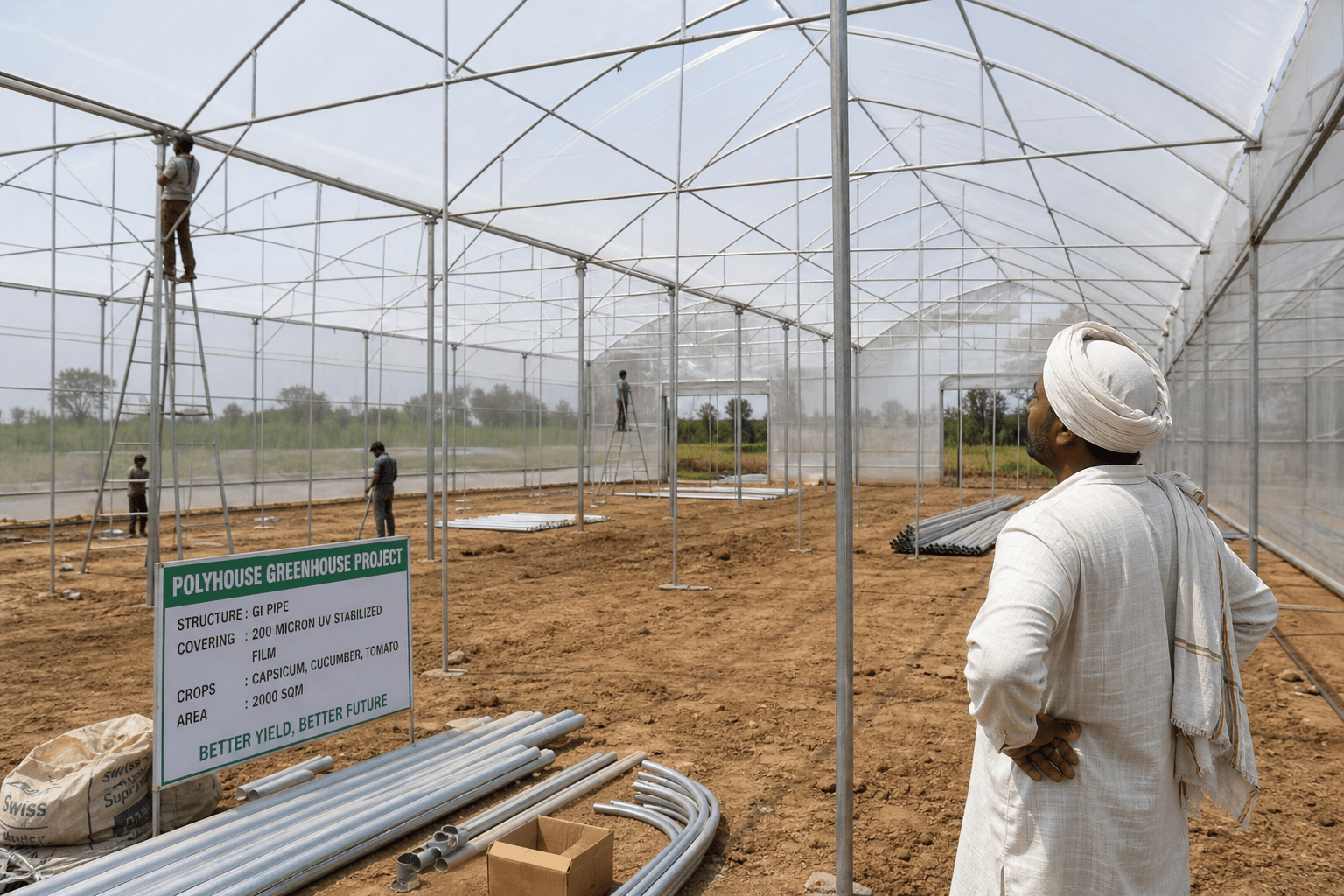
Your approved DPR crop must match what you plant. Changing from capsicum to cucumber without written permission can void subsidy. Apply with bank sanction before construction — see the warning in our polyhouse subsidy guide.
Do not lock a crore-rupee crop plan on a WhatsApp forward. Secure Letter of Intent or Letter of Comfort (per your state/NHB path), bank term-loan sanction, and written approval before erection. Building first forfeits subsidy permanently.
Crop selection matrix (quick reference)
| Crop | Net return (indicative) | Speed to cash | Market need | Skill |
|---|---|---|---|---|
| Coloured capsicum | ~₹18.14L/acre/yr | Medium | Moderate | Medium |
| Seedless cucumber | ~₹16.76L/acre | Fast (~35 d) | Moderate | Medium |
| Dutch rose | ₹12–18L/acre | Slow | Critical | High |
| Gerbera / floriculture | ₹10–15L/acre | Medium | High | High |
| Cherry tomato / strawberry | Variable | Seasonal | Moderate–high | Medium–high |
Pairing crops with your budget path
- Starter 1,000 sqm unit (₹7–10 lakh before subsidy, ₹3.5–5 lakh after): start with one high-value crop you can supervise daily — often cucumber or a single capsicum block.
- Full acre NVPH: capsicum or cucumber for balanced ROI; floriculture only with buyer contracts.
- Stack drip + polyhouse: PMKSY drip saves ~70% water and ~20–30% yield gain when designed correctly — ceiling 5 ha per beneficiary, re-eligible after 7 years on same land in many states.
Bottom line
The “best” polyhouse crop is the one you can grow well and sell reliably. Data points to coloured capsicum for top net return with manageable risk, seedless cucumber for speed, and roses/gerbera for floriculture specialists with markets locked in advance. Match crop to structure cost, water quality, and subsidy DPR — then read polyhouse cost and profit guide to align capital and paperwork.
Before you order polyfilm
Walk your horticulture officer through the crop list in your DPR one more time. Officers see rejected files every week because the farmer switched from capsicum to cucumber mid-build without written approval. The fix is boring paperwork, not a better fertilizer brand. If your state portal shows a higher subsidy tier for SC/ST or hilly beneficiaries, confirm eligibility on the official site before you price seedlings — percentages in brochures are indicative until the portal confirms them.
Verify prices and scheme windows locally. Last updated May 2026.
Frequently asked questions
Which crop gives the highest profit in a polyhouse?
Coloured capsicum often leads on net return — about ₹18.14 lakh per acre per year in cited Agrifirst NVPH project data — with a strong balance of profit versus risk for first-timers. Dutch rose can reach ₹12–18 lakh per acre but needs guaranteed markets and carries higher cost and risk.
How fast can I earn from polyhouse cucumber?
Seedless (parthenocarpic) cucumber can start harvest around 35 days with 2–3 cycles per year, with net returns around ₹16.76 lakh per acre in project data — among the best options for quick cash flow.
Can I grow low-value vegetables in a polyhouse?
Technically yes, but it is a common failure mode. Growing spinach or okra alone in an expensive polyhouse (₹25–40 lakh per acre before subsidy) usually destroys ROI. Match crop value to structure cost.
Do I need different crops for shade net versus full polyhouse?
Shade net (cost norm ₹710 per sqm) suits nurseries and leafy vegetables in hot, humid zones with better airflow. Full polyhouse or greenhouse structures support capsicum, cucumber, floriculture, cherry tomato, and strawberry for premium pricing.