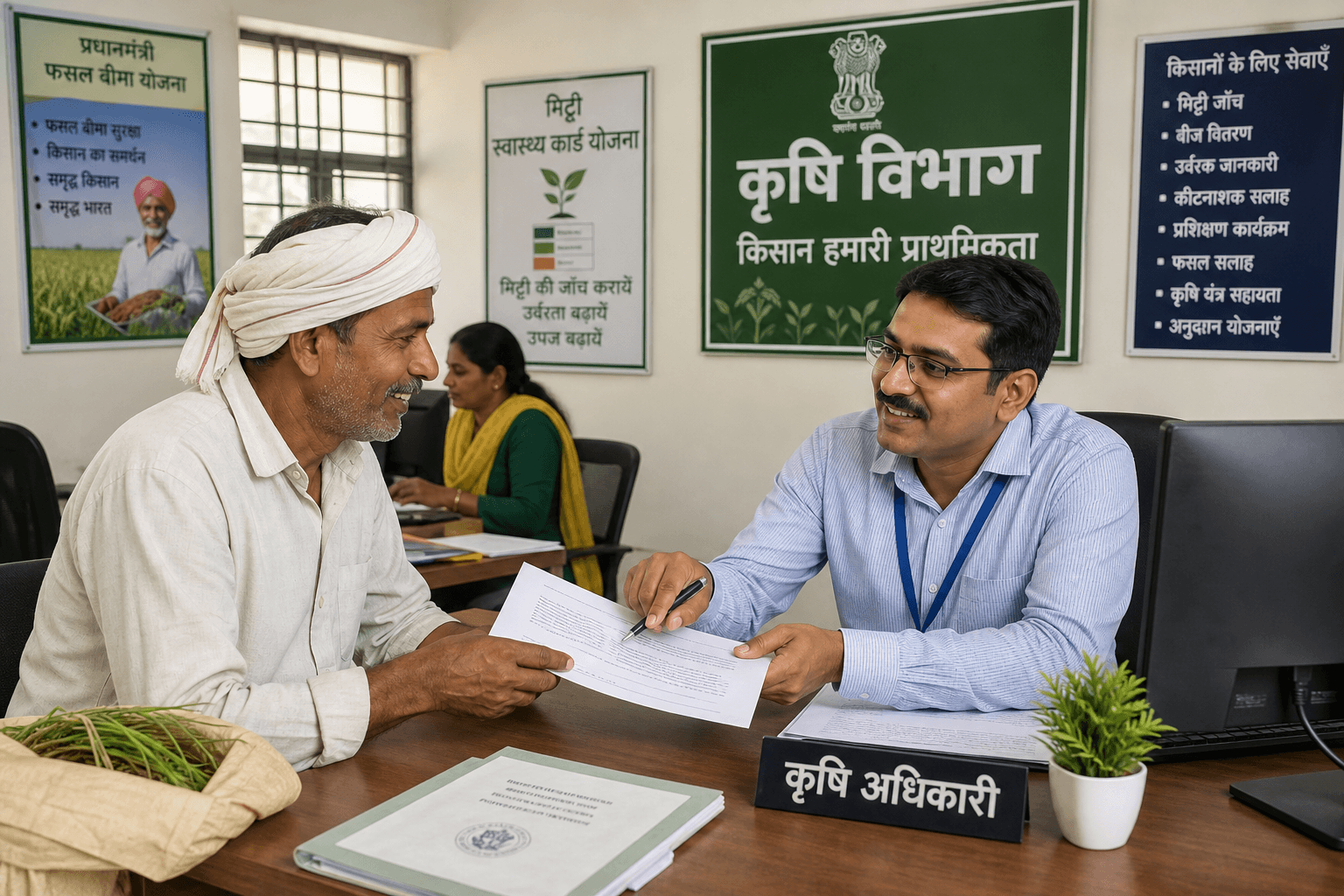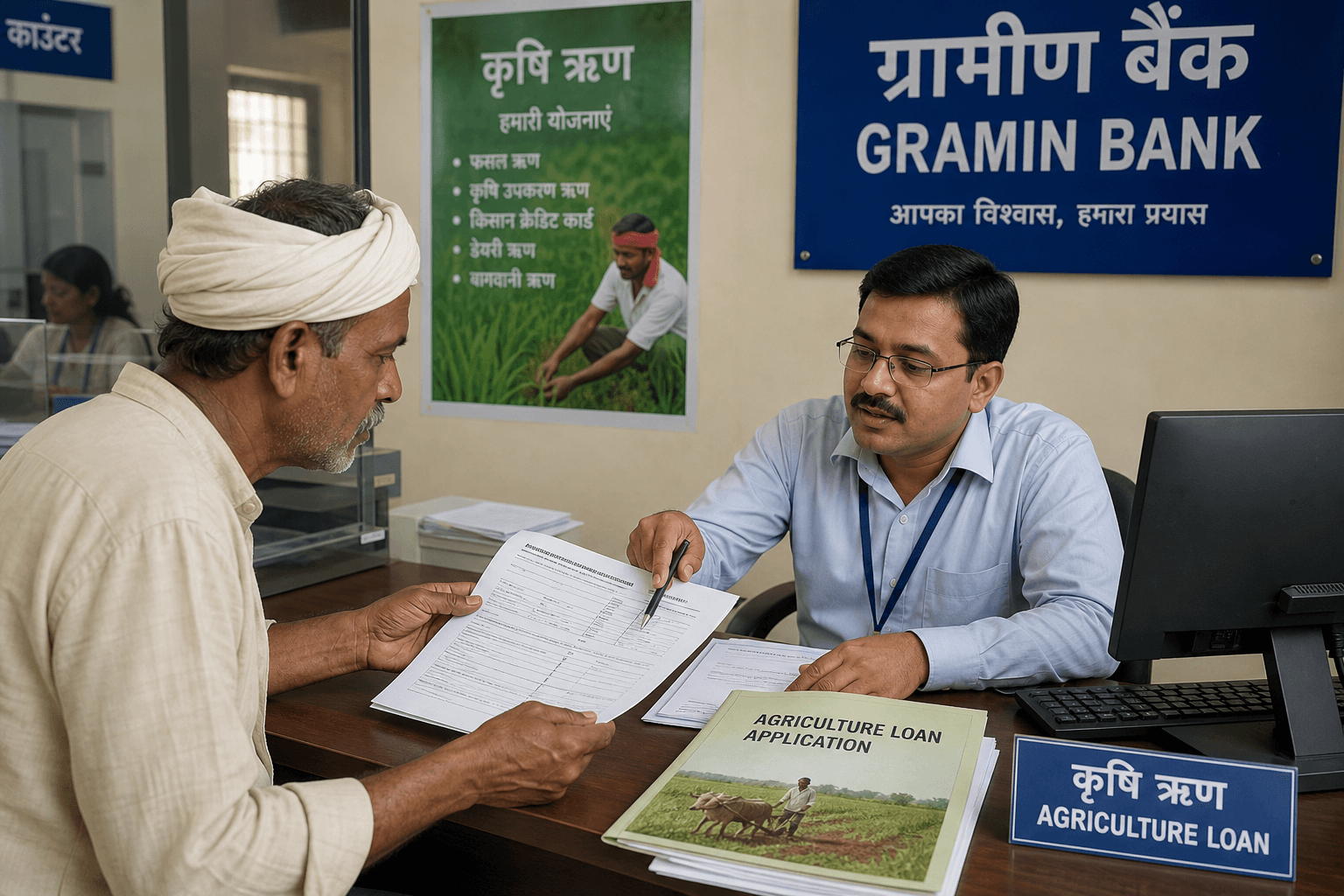
Individual farmers hit scale limits quickly: a 4,000 sqm NHB polyhouse threshold, fragmented land records, weak mandi bargaining power, and duplicated subsidy paperwork. Farmer Producer Organisations (FPOs) — usually registered as Producer Companies under the Companies Act — let members pool produce, access collective finance, and negotiate better offtake.
In 2026, the most asked funding pieces are SFAC equity matching grant (up to ₹15 lakh per FPO in many programme cycles), the role of CBBO promoting agencies, and the Produce Fund framework under the central FPO formation scheme.
This guide explains formation steps, equity grant mechanics, and how FPOs link to modern farming investments like polyhouse and drip — without double-claiming individual subsidies.
What an FPO Is — Producer Company Basics
An FPO is a member-owned enterprise where primary producers (farmers, milk producers, fishers in some clusters) hold equity and vote on business decisions. Most agri FPOs register as Producer Companies with:
- Board of Directors drawn from members
- CEO or professional manager for daily operations
- Business plan covering procurement, grading, packing, storage, and marketing
- Separate bank account and audited books
Why groups form FPOs in 2026:
- Collective marketing of polyhouse cucumber, capsicum, or organic produce
- Input bulk purchase — seed, fertiliser, drip components at lower unit cost
- Shared infrastructure — pack house, cold room, custom hiring centre (CHC) drone
- Easier bank credit when cash flows are consolidated and audited
SFAC (Small Farmers Agribusiness Consortium) administers central support under the Formation and Promotion of FPO scheme — often referred to in field conversations as the Produce Fund route. Equity matching up to ₹15 lakh per FPO is widely cited in programme summaries; exact tranches, member co-contribution ratios, and open clusters change — confirm on sfacindia.com and with your CBBO before promising members a fixed grant amount.
CBBO — Your Handholding Agency
You rarely form a centrally supported FPO alone. A Cluster Based Business Organisation (CBBO) — empanelled by SFAC/NABARD-aligned processes — provides:
- Mobilisation of 300–600+ member farmers (cluster-specific threshold)
- Registration support for Producer Company
- Business plan and MIS setup
- Linkage to SFAC equity grant tranches
- Coordination with banks for credit guarantee backed loans
CBBO types include cooperative federations, NGOs with agri track record, existing FPO federations, and agricultural universities. Your state agriculture/horticulture department or SFAC state desk can name active CBBOs in your district cluster.
Without CBBO alignment, you can still register a Producer Company privately — but you may miss Produce Fund equity matching and structured credit guarantee routes.
SFAC Equity Matching Grant — Up to ₹15 Lakh
The equity grant is matching, not a free standalone gift:
- Members contribute equity — often in cash instalments linked to share certificates
- FPO registers and opens bank account with minimum capital as per guidance
- CBBO submits FPO to SFAC under approved cluster
- SFAC releases matching equity in tranches tied to milestones — commonly up to ₹15 lakh total per FPO in programme documents farmers cite in 2025–26 cycles
- FPO uses equity for working capital, infrastructure deposits, branding, staff — as per approved business plan
Important rules:
- Grant is to the FPO entity, not split as individual drip subsidies
- Audit and compliance — delayed filings can block next tranche
- One FPO per member cluster logic — duplicate formations in same village crop may not qualify
Always read the latest SFAC circular for co-contribution ratio (e.g., member:grant matching) and whether horticulture clusters have enhanced ceilings.
Produce Fund — Formation and Promotion Framework
The Produce Fund (central sector scheme for FPO formation and promotion) bundles:
- CBBO empanelment and cluster allocation
- Equity matching via SFAC
- Credit guarantee support for FPO loans in eligible cases
- Capacity building — director training, accounting, legal compliance
Timeline farmers should expect:
- Months 1–3: Member mobilisation, baseline survey, interim business plan
- Months 3–6: Producer Company incorporation, PAN, bank account, director IDs
- Months 6–12: First equity tranche, procurement pilot, market linkage
- Year 2+: Scale storage, pack house, collective input shop, export linkage if cluster supports
For the wider subsidy map, see Government Farming Subsidy Schemes 2026 — Complete List.
Linking FPO to Polyhouse, Drip, and Modern Farming
Smart integration — without breaking subsidy rules:
| Activity | Individual member | FPO entity |
|---|---|---|
| Polyhouse NHB subsidy | Member applies on own land/DPR | FPO aggregates grade-A produce, negotiates retail |
| PMKSY drip | Member installs on own holding | FPO bulk-buys emitters/fertiliser |
| PM-KUSUM pump | Member-owned pump on member well | FPO CHC for shared drone or transport |
| SFAC equity grant | Not for personal structure | FPO working capital, pack house deposit |
The small and marginal farmer modern farming roadmap notes FPO aggregation for crossing commercial scale thresholds — especially when no single member owns a full 4,000 sqm NHB unit alone but pooled marketing justifies professional management.
Bank Credit and NABARD Refinance
After incorporation, FPOs approach banks for:
- Working capital — procurement at harvest
- Term loan — pack house, sorting line, cold storage deposit
- SFAC credit guarantee — reduces bank collateral demand in approved cases
Bank expects:
- Board resolution and audited projected cash flow
- CBBO recommendation in many clusters
- DSCR and member commitment to supply produce
- No overlap between equity grant use and loan purpose for the same expense line
Process parallels individual agri loans — see NABARD loan process for farmers for DPR and sanction vocabulary; adapt to consolidated FPO financials.
Documents to Prepare Early
- Member list with Aadhaar, land holding or supply intent declaration
- Village/cluster map showing crop focus
- Interim business plan — crop, volume, buyer MOU if available
- Registered office address and digital signatures for directors
- Bank account opening kit for Producer Company
- CBBO MoU or engagement letter
Common Mistakes
- Promising ₹15 lakh to every member personally — grant is entity-level matching equity
- Skipping CBBO then expecting Produce Fund tranche
- Using FPO grant to build a member's polyhouse — subsidy audit flags conflict
- Weak governance — one dominant member; banks dislike opaque control
- No market MOU — equity without buyer is idle cash
- Missing annual filings — blocks tranche two and credit guarantee renewal
Verify Before Mobilising Members
Cluster allocation, equity ceiling, and CBBO empanelment change with central budget cycles. Before collecting share money from farmers:
- Confirm active CBBO for your district on SFAC/state agriculture channels
- Read latest equity matching circular on sfacindia.com
- Align business plan with real crop volume — polyhouse cucumber or open-field cotton, not fantasy tonnage
- Separate individual NHB/PMKSY applications from FPO entity books
Disclaimer: Grant amounts, member thresholds, and guarantee terms are summarised for education. Ask Kisan is not SFAC, a CBBO, or a Producer Company registration agent.
Frequently asked questions
What is the SFAC equity matching grant for FPOs in 2026?
Under the Central Sector Scheme for Formation and Promotion of FPOs (often called the Produce Fund route via SFAC), registered FPOs can receive matching equity support — commonly cited up to ₹15 lakh per FPO in many programme documents, subject to member equity contribution and cluster guidelines. Verify the current ceiling and tranche rules on sfacindia.com and with your CBBO.
What is a CBBO and do I need one to form an FPO?
A Cluster Based Business Organisation (CBBO) is an empanelled promoting agency — cooperative federations, NGOs, FPO federations, or agri-universities — that handholds farmer groups through registration, business planning, and linkage to SFAC equity and bank credit. Most centrally supported FPO formations route through an assigned CBBO in your cluster or state.
How many farmers are needed to register an FPO?
Typical guidance under the Produce Fund framework targets producer companies with a minimum of around 300–600 member farmers depending on cluster notification and crop focus — horticulture and oilseed clusters may differ. Confirm the exact threshold for your state cluster with the CBBO before collecting membership fees.
Can FPO equity grant be used for polyhouse or drip projects?
Equity matching is for the FPO's share capital and business operations — procurement, packing, branding, working capital, and collective marketing — not usually for duplicating individual member subsidy claims on the same asset. Members may still apply individually for NHB polyhouse or PMKSY drip while the FPO handles aggregation and market access.
Is there a credit guarantee for FPO bank loans?
SFAC operates credit guarantee facilities for FPO loans in approved cases, reducing bank risk on working capital and term loans tied to the business plan. Sanction still requires a bankable DPR, board resolution, and often CBBO recommendation. See NABARD refinance routes in our farmer loan guide.